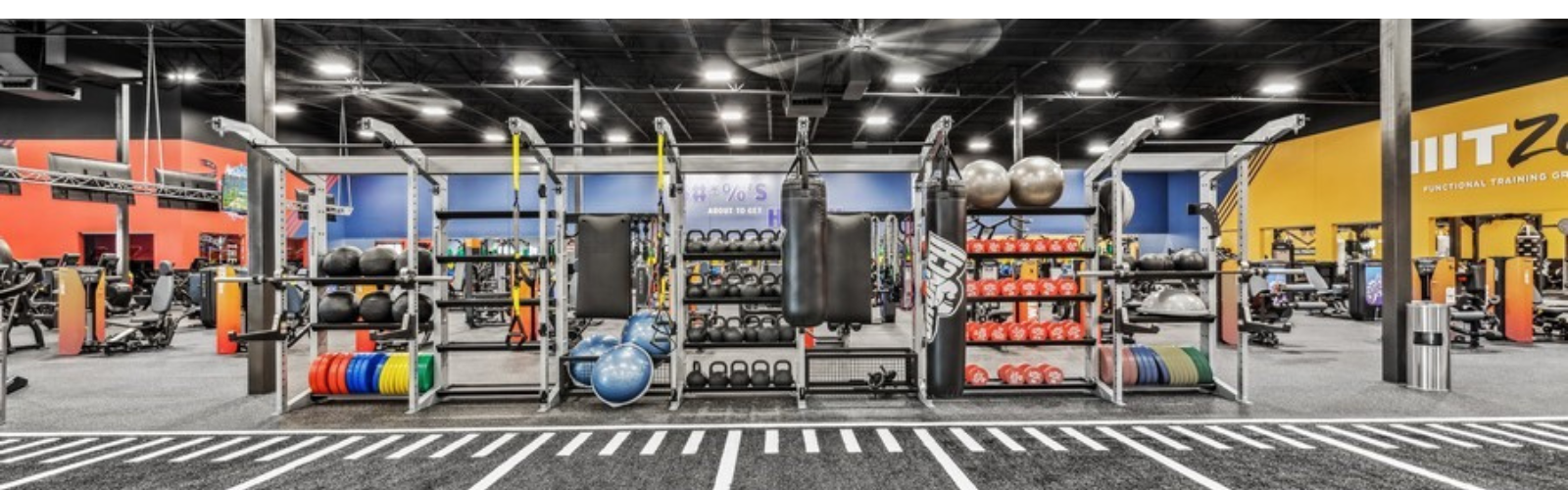
Retail real estate is evolving alongside consumer priorities. Today, some of the strongest traffic drivers aren’t traditional retailers at all. Instead, healthcare providers, boutique fitness concepts, recovery services, and wellness-focused businesses are becoming essential components of successful shopping centers.
As consumers place greater emphasis on health, longevity, and self-care, demand for wellness-oriented retail space continues to grow. Consumer spending on beauty, wellness, and specialty fitness reached approximately $132 billion in 2025, up significantly from 2020 levels, highlighting a major shift in consumer behavior.
Why Wellness Tenants Are Different
Unlike traditional retailers, wellness and healthcare users generate recurring visits.
A shopper may only visit a clothing store occasionally, but a member of Orangetheory Fitness might visit several times each week. These routine visits create consistent traffic patterns that support neighboring restaurants, coffee shops, and service providers.
Research highlighted by Avison Young points to a strong relationship between healthcare visits and spending at nearby businesses, making wellness users valuable additions to a shopping center’s tenant mix.
The Rise of “Medtail”
Healthcare has become one of retail’s fastest-growing categories.
Often referred to as “medtail,” this trend includes urgent care centers, dental offices, physical therapy clinics, and other healthcare services operating in retail environments. Healthcare providers are increasingly choosing shopping centers because they offer visibility, convenient access, and proximity to consumers’ daily routines.
In an article for ICSC, Rappaport CEO, Gary Rappaport explained, “The terms ‘neighborhood centers’ and ‘community centers’ explain why health care providers want to be in our centers. They want to locate in their patients’ neighborhood and in the center of the community.”
For landlords, the appeal is equally strong. Medical users often sign longer leases, invest significantly in their spaces, and generate reliable traffic throughout the day. As retailers continue seeking uses that are insulated from e-commerce competition, healthcare has become an increasingly attractive solution.
The GLP-1 Effect
A key finding from Rappaport’s Cultivating Insights: D.C. Metro Area Retail Trends & Consumer Behavior Report is that consumers are becoming more intentional with both their spending and lifestyle choices.
That behavior is helping fuel growth across wellness-related categories. Industry research shows that increased adoption of GLP-1 medications is contributing to demand for fitness concepts, medical aesthetics providers, and other health-focused services as consumers invest more heavily in long-term wellness goals.
This trend is helping drive continued expansion among specialized fitness operators. Concepts such as solidcore are benefiting from growing consumer interest in targeted, results-oriented fitness experiences that complement broader health and wellness goals.
A Powerful Complement to Neighborhood Retail
The growth of wellness and healthcare tenants aligns particularly well with today’s neighborhood shopping centers.
As hybrid work patterns keep more consumers closer to home, centers that combine grocery, dining, services, healthcare, and fitness are becoming increasingly valuable. A workout at Crunch Fitness may be followed by a coffee stop. A healthcare appointment can become a lunch visit. A consumer running errands may choose a center where multiple needs can be accomplished in a single trip.
The same dynamic applies to newer concepts focused on accessibility and convenience. Operators such as PUMP24 help create additional reasons for consumers to visit a center regularly, reinforcing the daily routines that drive repeat traffic.
Looking Ahead
The future of retail is increasingly shaped by businesses that cannot be replicated online. Healthcare providers, wellness operators, and specialized fitness concepts offer exactly that: recurring, in-person experiences that generate traffic, increase dwell time, and strengthen surrounding retailers.
As consumer preferences continue to evolve, wellness-focused tenants are helping redefine what it means to be an anchor. Increasingly, the strongest retail centers aren’t simply places to shop. They’re destinations that support how people live, work, and take care of themselves every day. Contact us to learn more.