Across the D.C. Metro Area, local and regional restaurant concepts are playing an increasingly important role in shaping successful retail destinations.
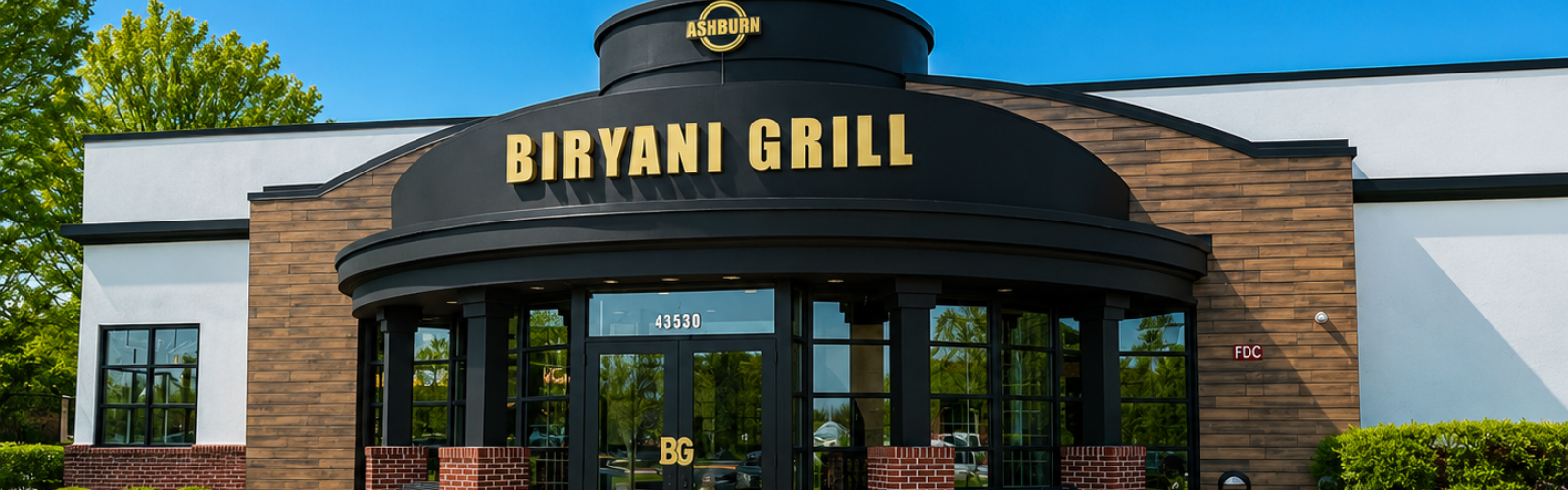
At Rappaport, we’re seeing this firsthand through the restaurants and tenants we represent throughout the region. From expanding favorites like Biryani Grill and Falcon & Fig to well-known concepts such as Miss Toya’s Creole House, Piada Italian Street Food, and FULL ON Craft Eats & Drinks, these operators are creating experiences that drive traffic, strengthen shopping centers, and help define the communities they serve. We’re also seeing significant buzz around new concepts such as Electric Bull, opening soon at Vienna Shopping Center, which has been recognized among the region’s most anticipated upcoming restaurant openings this fall, further illustrating the demand for distinctive local and regional dining experiences.
This isn’t a story about local restaurants replacing national brands. National operators remain a critical part of a successful merchandising strategy. Instead, it’s about the growing role local and regional concepts play in creating destination appeal and giving consumers more reasons to visit, stay, and return.
Why Consumers Are Responding
Dining remains one of the most experience-driven categories in retail.
Consumers are becoming increasingly intentional about how they spend both their time and money. According to Rappaport’s Cultivating Insights: D.C. Metro Area Retail Trends & Consumer Behavior Report, fine dining visits grew 27.6% from 2025 to 2026, underscoring the increasing value shoppers place on unique and memorable experiences.
That trend aligns particularly well with local and regional restaurants. Whether it’s a neighborhood favorite opening another location or an emerging operator launching its first storefront, these businesses often bring a distinct identity that resonates with consumers seeking something beyond convenience alone.
Growth Fueled by Community Connection
One reason local concepts perform so well is their ability to build genuine connections with customers.
Many successful regional operators have developed loyal followings by reflecting the tastes, cultures, and personalities of the communities they serve. Those connections often translate into repeat visits, word-of-mouth recommendations, and long-term customer loyalty.
Why Retail Centers Value Local and Regional Concepts
For shopping center owners, these restaurants bring value far beyond occupancy.
At properties such as Downtown Silver Spring, Village at Leesburg, The Square, and Festival at Riva, food-and-beverage tenants help create energy, increase dwell time, and strengthen a destination’s identity. Just as importantly, highly anticipated restaurant concepts can become destination drivers in their own right. Buzz generated through local media, social channels, and word-of-mouth often encourages consumers to travel beyond their typical trade area to try a new restaurant, introducing entirely new customers to a property.
When paired with strong retail, entertainment, events, and complementary tenants, these concepts create a broader destination experience that benefits the entire center. A guest may arrive for dinner but stay to shop, attend an event, or visit neighboring businesses. Those cross-shopping opportunities can generate meaningful value across a property’s tenant mix.
The result is a stronger, more differentiated destination that gives consumers compelling reasons to visit and, more importantly, return.
Looking Ahead
As consumer preferences continue to evolve, local and regional restaurants are becoming increasingly important contributors to successful retail environments.
From established operators expanding into new markets to emerging concepts opening their first locations, these businesses are creating the experiences consumers actively seek. Combined with strong national brands, they contribute to a tenant mix that drives visitation, strengthens community connection, and helps transform retail centers into true destinations.
At Rappaport, we’re proud to be part of that growth and excited to see how the next generation of local and regional restaurant concepts continues to shape the future of retail across the D.C. Metro Area.