When people talk about retail occupancy, the conversation often focuses on leasing activity. How many tours were completed? How many proposals were sent? How many deals are in the pipeline?
Those metrics matter, but they rarely tell the whole story.
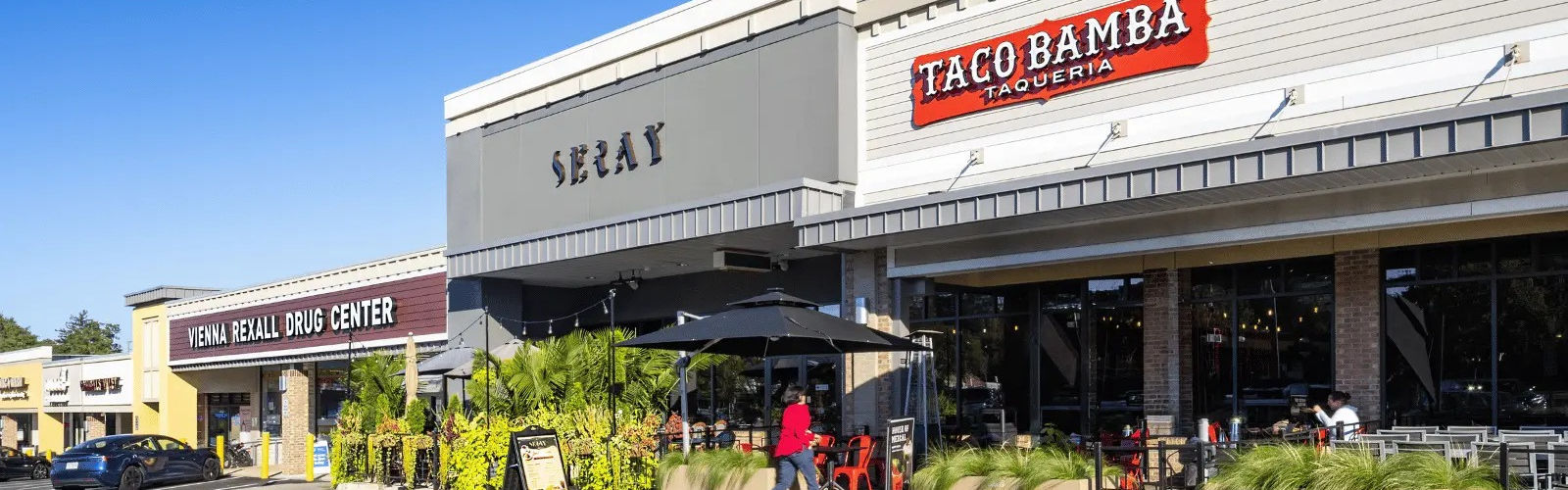
In today’s retail environment, occupancy is often the result of something much bigger: creating a destination that retailers want to join and consumers want to visit. The strongest shopping centers don’t simply fill vacancies. They build tenant mixes that generate traffic, encourage repeat visits, and support long-term growth.
Retailers Are Looking Beyond Available Space
Today’s retailers evaluate far more than square footage when considering a new location.
They want to understand who visits a center, how often they return, what neighboring businesses drive traffic, and whether the property aligns with their long-term growth goals. A well-planned leasing strategy takes all of these factors into account, from trade-area demographics and consumer traffic patterns to the retail categories needed to serve the surrounding community.
That approach has become increasingly important as retailers grow more selective about where and how they expand. According to a report from REBusinessOnline, physical stores remain critical to brand identity and customer acquisition, but retailers are increasingly focused on locations that support long-term performance rather than simply filling a geographic gap.
For shopping center owners, that means occupancy starts with understanding demand.
The Right Tenant Mix Creates Momentum
The strongest retail centers succeed because different uses work together to create a stronger overall experience.
A grocery trip becomes lunch. A fitness class leads to a coffee stop. A medical appointment creates an opportunity to run errands nearby.
Across the D.C. Metro Area, restaurants, wellness operators, healthcare providers, fitness concepts, and service-oriented businesses continue to drive demand because they generate recurring visits and daily activity. When thoughtfully merchandised, these tenants create momentum that benefits the entire center and makes the property more attractive to prospective retailers.
The result isn’t just higher occupancy. It’s a more resilient property that remains relevant as consumer preferences evolve.
Strategy Matters. Execution Matters Too.
Understanding consumer demand is only part of the equation.
A strong leasing strategy means very little without the brokerage execution to bring it to life. Execution comes down to local market knowledge, established retailer relationships, and a team that can quickly connect the right tenants with the right opportunities.
At Rappaport, our approach combines landlord advisory and retail representation, providing insight from both sides of the transaction. That perspective helps identify opportunities, align tenant needs with property goals, and create leasing strategies that support long-term success.
In today’s competitive environment, retailers have more choices than ever. Properties that stand out through thoughtful merchandising, strong positioning, and responsive leasing execution are often the ones that outperform.
Occupancy Is Ultimately a Consumer Story
It’s easy to think of occupancy as a leasing metric, but in many ways, it’s a consumer metric.
Consumers determine which businesses succeed, which categories expand, and which centers continue attracting investment. Understanding visitation patterns, customer preferences, and consumer behavior has become just as important as understanding market rents and vacancy rates.
The goal is not simply to fill space. It’s to attract tenants that align with how consumers actually live, shop, dine, and spend time.
Looking Ahead
Successful leasing requires more than available space and competitive terms. It requires a clear understanding of the surrounding community, a thoughtful tenant mix, and a strategy built around long-term relevance.
As retailers continue evaluating expansion opportunities throughout the DMV, the centers that perform best will be those that create reasons for consumers to return again and again.
Because in today’s market, successful leasing isn’t just about filling vacancies. It’s about building destinations that remain valuable long after the lease is signed.
Want to learn more about Rappaport in the D.C. Metro Area? Contact us to discover how Rappaport’s expert team can help you unlock success.
What is the biggest reason retail spaces stay vacant?
The most common reason is a breakdown in the leasing process rather than a lack of tenant demand. Slow follow-up, unclear terms, or misaligned pricing can stall deals before they reach a signed lease. Rappaport addresses these gaps through a structured, stage-by-stage approach.
How does tenant mix affect retail occupancy rates?
A well-curated tenant mix draws consistent foot traffic, which benefits every retailer in the center. If your property skews too heavily toward one category, you may miss demand from underserved retail uses. Rappaport uses trade-area analytics and analysis to identify which categories your center needs.
How long should it take to lease a vacant retail space?
The timeline depends on your micro-market, space size, and permitted use. Rather than focusing on a fixed number of weeks, track your conversion rates at each stage. Those metrics point you toward the specific issue to resolve.
What role does property management play in retail leasing?
Property management supports leasing by keeping the center well-maintained and ensuring vacant spaces are tour-ready. Rappaport’s property management team works closely with the leasing team to maintain pipeline momentum and resolve operational issues before they slow down deals.
What services does Rappaport offer?
- Landlord Advisory
- Tenant Advisory
- Property Management
- Construction Management & Development
- Marketing
- Investment Advisory
- Private Equity Investments
Learn more by visiting our Services page: https://www.rappaportco.com/services/