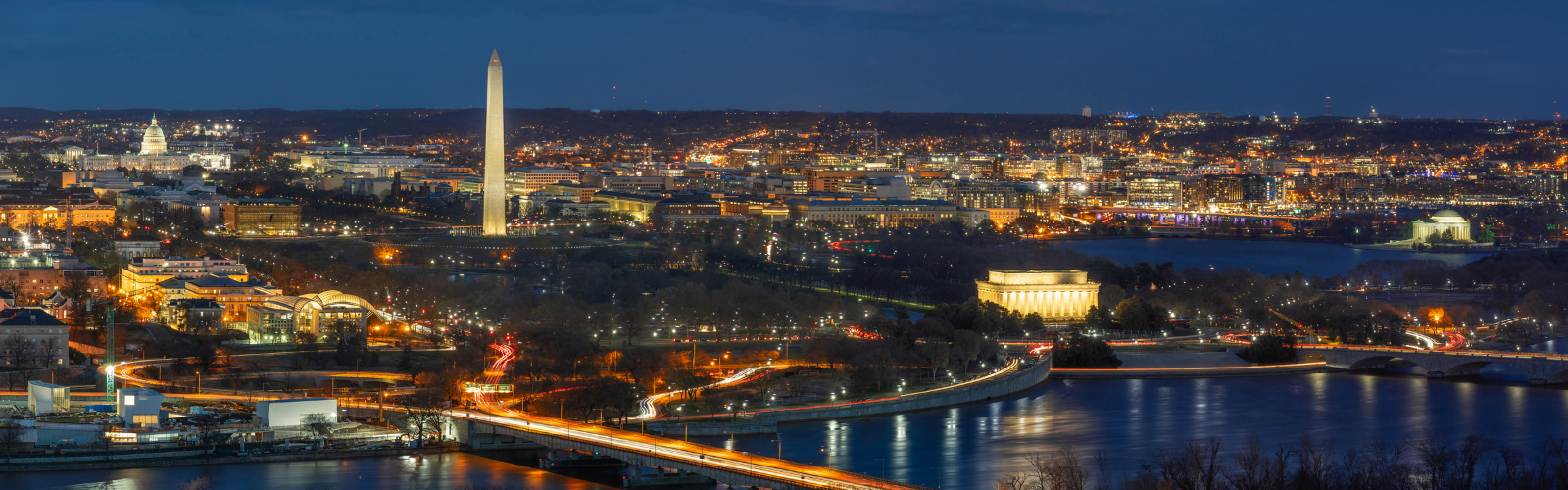
As we look ahead to 2026, the retail real estate landscape across the D.C. region and beyond continues to evolve amid economic uncertainty, shifting consumer behavior, and changing lifestyle priorities. We asked several of our retail advisors to share their outlook on what lies ahead. While perspectives varied, a few clear themes emerged: cautious consumers, opportunity amid disruption, and continued strength in food-driven and health-oriented retail.
Consumers: Cautious, Selective, and Value-Focused
Across the board, our advisors expect consumers to remain careful with their spending in 2026. Inflation, rising costs of living, and potential tariffs are likely to keep households tightening their belts.
Executive Director of Leasing and Brokerage Susan Bourgeois notes that in the DMV’s micro-economy, this restraint may push retailers already on shaky ground toward closures. Executive Director of Brokerage Pat O’Meara echoes this concern, predicting continued pressure on retailers as everyday expenses rise, even if interest rates ease.
Restaurants Continue to Lead the Way
Food-and-beverage remains a bright spot heading into 2026. President Henry Fonvielle points to a notable trend: successful, high-end urban restaurant concepts moving into suburban settings.
“We are starting to see wonderful urban restaurants do high-end restaurants in suburban settings,” Fonvielle notes. Recent deals illustrate this shift, including Ingle Korean Steakhouse at Pike 7 Plaza in Tysons, Seray at Vienna Shopping Center, and the newly signed Villa Yara at Colonnade at Union Mill. These concepts reflect growing consumer demand for destination-quality dining closer to home and signal a broader evolution in how suburban retail centers are being positioned.
Suburban Strength and a Measured Urban Comeback
The suburbs are expected to remain the primary focus for retail growth, particularly for restaurants and service-oriented uses. Bourgeois points out that while suburban retail remains strong, parts of Maryland are still feeling the lingering effects of federal workforce changes.
At the same time, Leasing and Brokerage Representative Akiel Pyant sees a gradual improvement in downtown D.C. retail tied to the ongoing return-to-office trend. While most workers are only back three days a week—short of a full pre-pandemic rebound—it should provide a meaningful boost to restaurants, bars, and convenience-oriented retailers in urban cores.
Local and Regional Brands on the Rise
Rather than national chains, several advisors expect local and regional operators with proven concepts to drive leasing activity. Bourgeois highlights restaurateurs such as Andy Brown (Andy’s Pizza) and Victor Albisu (Taco Bamba, Electric Bull) and concepts like South Block and Call Your Mother as examples of brands positioned for continued growth across the region.
Health, Wellness, and Service-Oriented Retail
Tenant mixes are expected to tilt further toward food, health, and service uses. Pyant anticipates continued growth in boutique fitness, specialized gyms, and health-focused apparel and nutrition brands as Millennials and Gen Z prioritize wellness. Bourgeois similarly expects health services to play a larger role in retail developments.
The Big Picture for 2026
Despite economic headwinds, the outlook isn’t purely pessimistic. Bourgeois sums it up best with her bold prediction: “Bumpy, but new doors will open.” Limited vacancy, evolving consumer preferences, and strong local operators should continue to create opportunities for landlords and retailers who can adapt.
As the retail landscape continues to evolve, our team is here to help. Contact us to learn how our services can help you navigate the year ahead and uncover new opportunities.